🛸 Each tap is a separate lift
Under normal gravity, each UFO press supplies a separate upward impulse. Gravity acts between presses. An earlier hold is not a sequence of fresh flaps, and an unnecessary second impulse can push the icon into a ceiling that the first path would have avoided.
Start by noticing how far one input carries you before descent becomes apparent. Then choose the next tap to fit the next opening. A fast-looking corridor may require a deliberate gap rather than a faster stream of presses.
The space between two taps
Read the passage as an opening you must enter at a useful height. If the icon is already climbing, another tap may add height you do not need. If it is descending toward the floor, the next lift needs to happen early enough to leave room for the change.
Your last input is therefore information for the next one. The correct choice depends on the current trajectory, not just a repeating sound pattern.
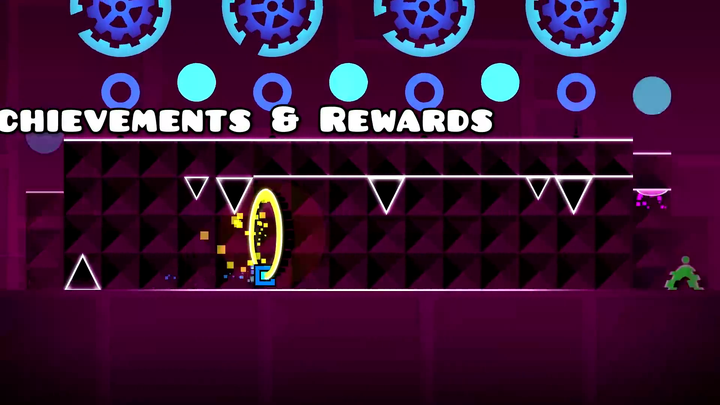
 Geometry Dash UFO portal
🔎 What to inspect after a crash
| Collision | Possible input issue |
|---|---|
| Ceiling after an extra tap | The second impulse arrived before the first rise had become useful |
| Floor between widely spaced taps | The descent continued too long before the next lift |
| First obstacle after the portal | The entry height or carried input differed from the practiced setup |
| Alternating ceiling and floor failures | Corrections may be too large or too reactive |
🎵 Use rhythm as spacing
Try this two-input comparison in an open passage: make one tap, watch the remaining rise, and place the second tap after a longer gap. Compare that with an earlier second tap. The difference is the height at which the second impulse starts, not simply whether you tapped twice.
If you can tap along to the song but still hit the ceiling, inspect the number of impulses and the entry height. Musical accuracy alone does not guarantee the right flight path.
Keep the forms distinct
If you keep holding as though the UFO were a ship, return to the form comparison. If the taps are clear but the route changes at entry, work through the transition checklist. Different symptoms need different corrections.
A two-impulse drill
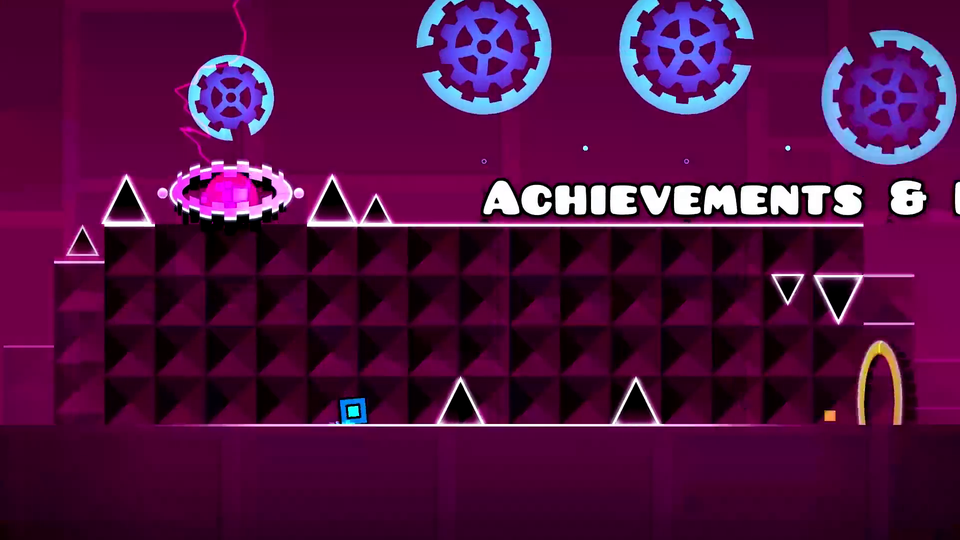
Choose an open section
Leave enough room to see the trajectory after one tap.
Watch one complete rise
Do not add the second impulse immediately. Notice when the path changes.
Place the next lift
Choose its cue from the next opening, then repeat from the same entry.
Restore the transition
Bring the portal approach into the exercise before testing a full run.